Digestive Enzymes vs Probiotics: Which Do You Need?
Do you need digestive enzymes or probiotics?
Digestive enzymes and probiotics do different jobs. Enzymes are proteins that break food down into absorbable pieces during a meal, so they act fast on specific problems like lactose intolerance. Probiotics are live bacteria that gradually help shape your gut microbiome over weeks. Match the tool to the problem you actually have.
- Enzymes work at the meal; probiotics work over days and weeks.
- Enzymes target specific intolerances; probiotics support overall microbiome balance.
- For most people, a fibre-rich diet does more than either capsule alone.
Walk down any supplement aisle and the two categories sit side by side, often with near-identical packaging and overlapping promises about "digestion" and "gut health." That similarity is exactly why people buy the wrong one. Digestive enzymes and probiotics are not competing versions of the same thing. They solve different problems, on different timescales, through completely different mechanisms. Understanding which is which saves money and, more importantly, points you at the fix that might actually help.
Two tools, two jobs
The simplest way to keep them straight is to think about when each one acts. Enzymes act in the minutes during and after a meal. Probiotics act over the following days and weeks. If your problem shows up right after eating a specific food, that is an enzyme-shaped clue. If your problem is a slower, background pattern — irregularity, general bloating, a gut that feels "off" — that points more toward the microbiome, where fibre and probiotics live.
What digestive enzymes actually do
Enzymes are proteins that speed up chemical reactions. Your pancreas, stomach and small intestine already produce a full set of them — amylase for starches, protease for proteins, lipase for fats. Supplemental enzymes add more of a specific type so that a food you struggle to break down gets processed before it reaches the bacteria further down, where fermentation produces gas.
The clearest, best-evidenced example is lactase. People who are lactose intolerant do not make enough of it, so milk sugar passes undigested into the colon and causes gas, cramping and loose stools. Taking lactase with dairy supplies the missing enzyme for that meal, and the effect is immediate and specific. Another well-studied one is alpha-galactosidase, which helps break down the fermentable carbohydrates in beans and cruciferous vegetables. These are targeted fixes for targeted problems, not general "digestion boosters."
What probiotics actually do
Probiotics are live microorganisms — usually strains of Lactobacillus and Bifidobacterium — that add to the trillions of bacteria already living in your gut. They do not break down your dinner. Instead, they interact with the resident microbiome: competing with less helpful microbes, producing beneficial compounds, and interacting with the gut lining. Because they are working within a living, slow-changing ecosystem, their effects build gradually. You do not feel a probiotic the way you feel a lactase capsule; you notice it, if at all, over weeks of consistent use.
Evidence for probiotics is strain-specific, which is the detail most labels gloss over. A benefit shown for one strain in one situation does not transfer to a different strain in a different bottle. That is why honest guidance points to particular strains studied for particular purposes rather than "probiotics" as a blanket category.
Where each one genuinely helps
Here is the honest breakdown, matched to the problem rather than the marketing.
| Your situation | More likely to help | Why |
|---|---|---|
| Gas and cramps after dairy | Enzyme (lactase) | Replaces the specific missing enzyme at the meal |
| Gas after beans or cruciferous veg | Enzyme (alpha-galactosidase) | Pre-digests fermentable carbs before they reach gut bacteria |
| General irregularity or gut balance | Fibre and probiotics | Feeds and shifts the microbiome over time |
| After a course of antibiotics | Probiotics (specific strains) | Some strains have evidence for supporting recovery |
| Low daily fibre intake | Fibre / prebiotics | The single most common gap in most diets |
The third tool everyone forgets: prebiotic fibre
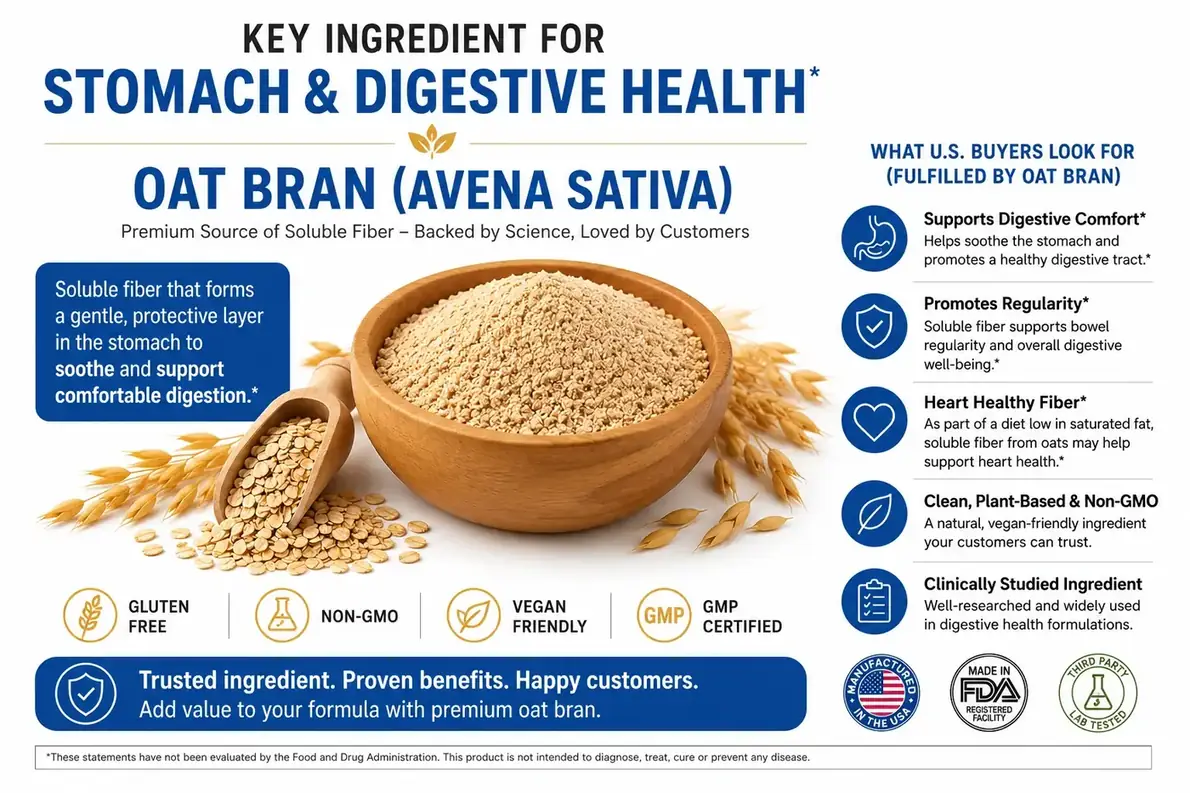
There is a reason the "enzymes vs probiotics" question is a little incomplete: it leaves out the thing that feeds the microbiome in the first place. Prebiotic fibre — soluble fibres like pectin, inulin and the fibre in oats and psyllium — is not digested by your own enzymes. It travels to the colon intact, where resident bacteria ferment it. That fermentation is what produces the beneficial compounds a healthy gut relies on, and it is what gives probiotics something to work with.
In other words, probiotics are the seeds and prebiotic fibre is the fertiliser. You can add more bacteria all you like, but if the diet is low in the fibre they feed on, you are asking a garden to grow without watering it. For most people whose diet is short on fibre — which is most people — closing that gap moves the needle more than either an enzyme or a probiotic capsule taken on its own.
How to decide what you need
Run through three quick questions before you buy anything.
- Is the trigger a specific food? If dairy, beans or a particular meal reliably sets off symptoms, a matching enzyme is the logical first test. It is cheap, targeted and fast to evaluate.
- Is the pattern slow and general? If it is background irregularity or a vague sense of imbalance, the microbiome is the more sensible target — and that means fibre first, with a specific-strain probiotic as an add-on.
- Is your fibre intake actually adequate? Be honest. If most days are short on vegetables, fruit, legumes and whole grains, fixing that is the highest-value move, with or without any supplement.
If symptoms are severe, persistent, or come with warning signs like weight loss, bleeding or pain, none of these products is the answer. That is a conversation with a clinician, not a supplement decision.
Taking them safely
Enzymes are taken with the trigger meal so they are present when the food is. Probiotics vary by strain — follow the label for timing. Both are generally well tolerated in healthy adults, but a few sensible cautions apply: fibre and probiotics can cause temporary gas as your gut adapts, so start low; fibre should always be taken with plenty of water; and anyone pregnant, immunocompromised, taking medication or managing a health condition should check with a pharmacist or doctor first. These products support digestion for people who tolerate them; they are not a substitute for medical care.
Where FloraNew fits
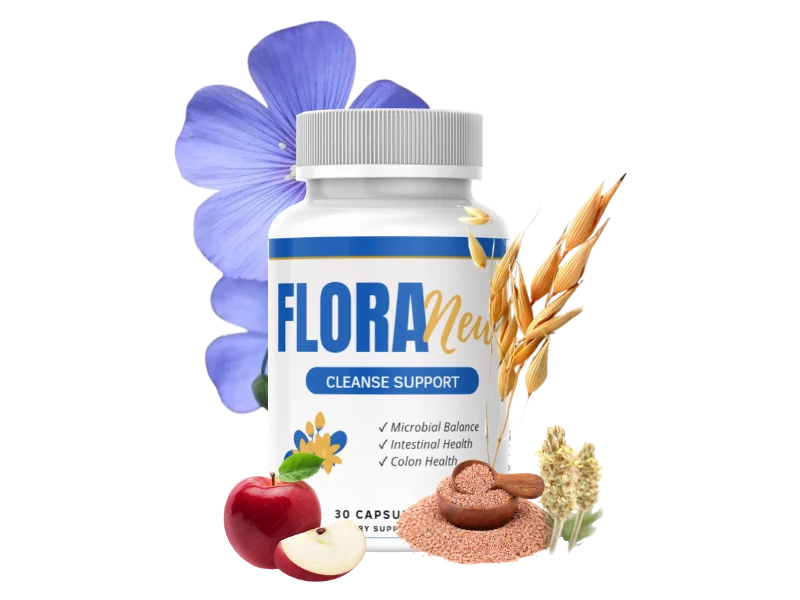
To be clear about our own product: FloraNew is not an enzyme supplement and it is not a probiotic. It is a prebiotic fibre blend — oat bran, apple pectin, flaxseed and psyllium — the "third tool" above. That makes it a convenient daily way to top up soluble and fermentable fibre, the food your existing gut bacteria rely on. Hold it to realistic expectations: it is a modest fibre top-up that complements a fibre-rich diet, backed by a 60-day guarantee, not an enzyme fix or a bacterial transplant. If that is the gap you are trying to close, you can see the official-store pricing here.
Frequently asked questions
What is the difference between enzymes and probiotics?
Digestive enzymes are proteins that chemically break food into smaller molecules your body can absorb, and they act during the meal itself. Probiotics are live microorganisms that add to the community of bacteria living in your gut, and their effects build gradually over days and weeks.
Do I need digestive enzymes or probiotics?
It depends on the problem. If you react to a specific food, such as dairy, a matching enzyme like lactase may help with that meal. If your goal is longer-term gut balance and regularity, fibre and probiotics are the better fit. Many people need neither if their diet is varied and fibre-rich.
Can I take both together?
Yes. Enzymes and probiotics do not compete, and taking them together is generally considered safe for most healthy adults. Enzymes are usually taken with meals, while probiotics can be taken with or without food depending on the strain. Ask a pharmacist if you take medication or have a health condition.
Do enzymes help with bloating?
Sometimes. If bloating follows a specific trigger food, an enzyme that targets that food, such as lactase for dairy or alpha-galactosidase for beans, may reduce gas for that meal. If bloating is constant or unexplained, enzymes are unlikely to be the answer and it is worth speaking to a clinician.
Related reading
- Probiotics for constipation in women: what the evidence shows
- Best Fibre for Bloating: Soluble vs Insoluble
- Best Probiotics for IBS in Women (2026)
Feed the bacteria you already have

FloraNew is a daily prebiotic fibre blend — oat bran, apple pectin, flaxseed and psyllium — sent from the official store with a 60-day money-back guarantee.