Probiotics for Constipation in Women: What the Evidence Actually Shows
Do probiotics help with constipation in women?
Some do, modestly. Certain strains — especially Bifidobacterium lactis — have been shown in trials to shorten gut transit time and slightly increase stool frequency in women. Benefits are strain-specific, build over two to four weeks, and work best alongside adequate fibre and water rather than on their own.
- Bifidobacterium lactis has the strongest evidence for regularity.
- Expect gradual change over two to four weeks, not overnight.
- Pair with fibre and water for the best effect.
Constipation is one of the most common digestive complaints, and it is measurably more common in women than in men. So it is no surprise that "probiotics for regularity" is a booming category. The pitch is appealing: swallow a capsule of friendly bacteria and let nature restore order. The reality is more nuanced. Some strains genuinely help — a little — and some products lean on the word "probiotic" without carrying a strain that has ever been tested for this purpose. This article separates the two.
Why constipation is more common in women
Several factors stack up. Female sex hormones, particularly progesterone, slow the movement of the gut, which is why many women notice changes across the menstrual cycle and during pregnancy. Transit time — the hours it takes food to travel from mouth to toilet — tends to be longer in women on average. Add in the fact that women are more likely to under-eat fibre while dieting, and you have a population that is primed for sluggish bowels. None of this is a disease in itself; it is ordinary physiology. But it does explain why the same probiotic trial can show a bigger effect in women than the headline average suggests.
What a probiotic actually does
Probiotics are live micro-organisms that, taken in adequate amounts, can confer a benefit. Inside the colon they do not "reprogram" your gut permanently. Instead, while you keep taking them, they can nudge the local environment: producing short-chain fatty acids that draw water into the stool and stimulate the gut wall, gently lowering pH, and competing with less helpful bacteria. Those small changes are the mechanism behind faster transit and softer, more frequent stools. Stop taking the strain and, for most people, the colony fades within weeks — which is exactly why consistency matters more than any single dose.
The strains with the best evidence
This is the part the marketing usually skips. Benefit in probiotics is strain-specific, not species-specific and certainly not generic. Two products can both say "contains Bifidobacterium" and behave completely differently, because the strain — the exact genetic line, identified by a letter-and-number code — is what was actually tested.
Bifidobacterium lactis (the front-runner)
If one name deserves top billing for regularity, it is Bifidobacterium lactis. Two strains in particular, DN-173 010 and HN019, have been studied in randomised trials and pooled analyses, and both are associated with shorter whole-gut transit time and a modest rise in weekly bowel movements. The effect is real and reasonably repeatable, but it is measured in fractions of a day of transit and roughly one extra movement per week — helpful, not transformative. It has been observed most clearly in women and in people whose baseline transit was slow to begin with.
Other strains worth knowing
Certain Lactobacillus strains and some multi-strain blends have shown benefit in individual trials, though the evidence base is thinner and less consistent than for B. lactis. The practical takeaway: when a label lists only a species name with no strain number, you cannot assume it matches the strain that was studied. Look for the full designation, and be sceptical of huge colony-count numbers used as a substitute for named, tested strains.
| Strain | Best-supported effect | Honest caveat |
|---|---|---|
| B. lactis DN-173 010 | Shorter transit time | Effect is modest; measured in hours |
| B. lactis HN019 | More frequent, softer stools | ~1 extra movement/week on average |
| Select Lactobacillus strains | Some regularity benefit | Fewer trials, less consistent |
| Unnamed "probiotic blend" | Unknown | No strain number means no evidence |
How long it takes — and when to stop
Probiotics are a slow-burn intervention. Because they work by gradually shifting the microbial balance, the trials that show benefit ran for two to four weeks or longer before measuring results. A fair personal trial, then, is a full month of daily, consistent use — same strain, same time of day. If nothing has changed after that, the honest conclusion is that this particular strain is not doing much for you, and the money is better spent elsewhere. Rotating through a new brand every few days guarantees you never give any of them a real chance.
The part that matters most: fibre and water
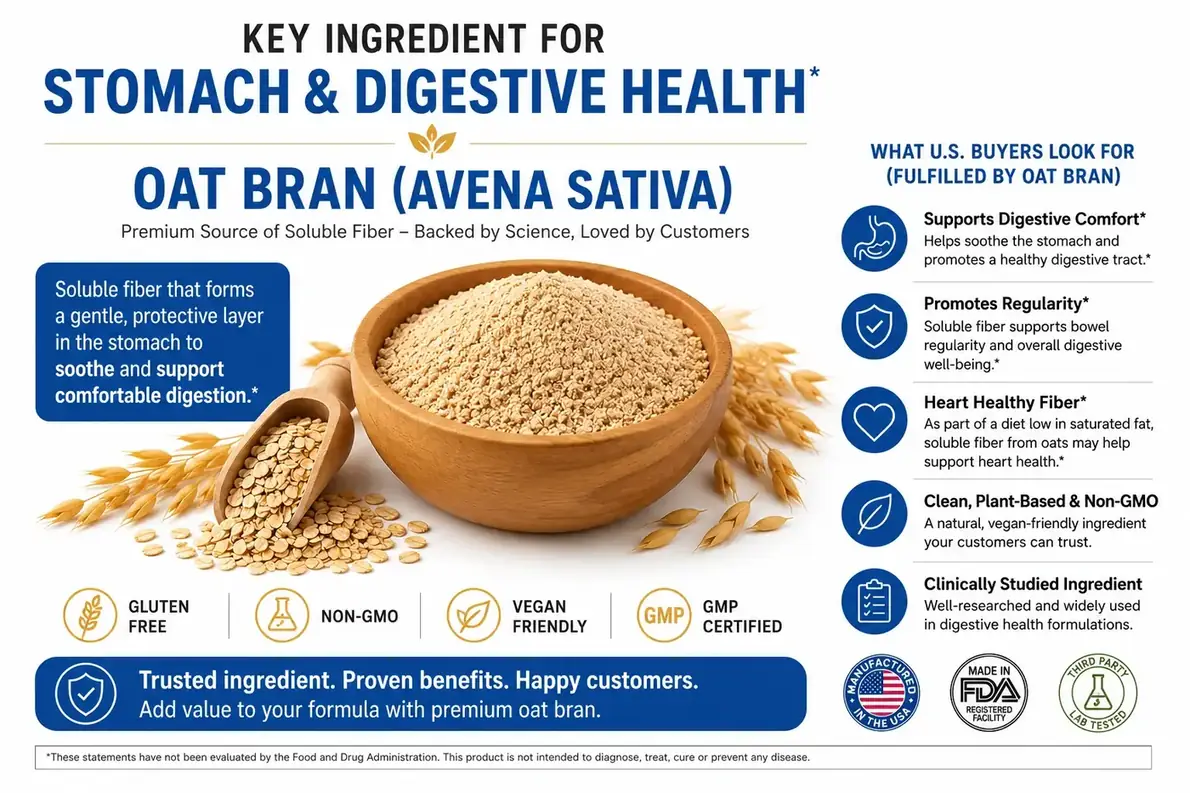
Here is the honest hierarchy. For most women with occasional sluggishness, the biggest levers are not exotic bacteria — they are fibre, fluid and movement. Mainstream guidance is consistent that adequate dietary fibre and hydration are first-line for regularity, and psyllium in particular has strong clinical support. Probiotics sit on top of that foundation, adding a modest extra push; they do not replace it. There is also a neat overlap: prebiotic fibre feeds the very Bifidobacteria that the best regularity strains belong to. Feed the bacteria you want more of, and you are working with the same biology from the other direction.
- Build fibre gradually. Jumping straight to a big dose causes gas and bloating; ramp up over a week or two.
- Drink water with it. Fibre without fluid can make constipation worse, not better.
- Move. Regular activity supports gut motility — a walk after meals is a genuinely useful, free intervention.
- Be consistent. Both fibre and probiotics reward daily habit, not sporadic use.
What probiotics will not do
They will not "cleanse" a backlog out of your colon — the colon is not a clogged pipe and does not store years of residue. They are not a substitute for seeing a clinician if constipation is new, severe, painful, or accompanied by bleeding, unexplained weight change or a sudden shift in bowel habits, all of which deserve medical attention rather than a supplement. And they are not a licensed treatment for any condition. Framed correctly, a well-chosen probiotic is a small, gentle helper for everyday regularity — nothing more, and nothing to be ashamed of expecting less from.
Where FloraNew fits
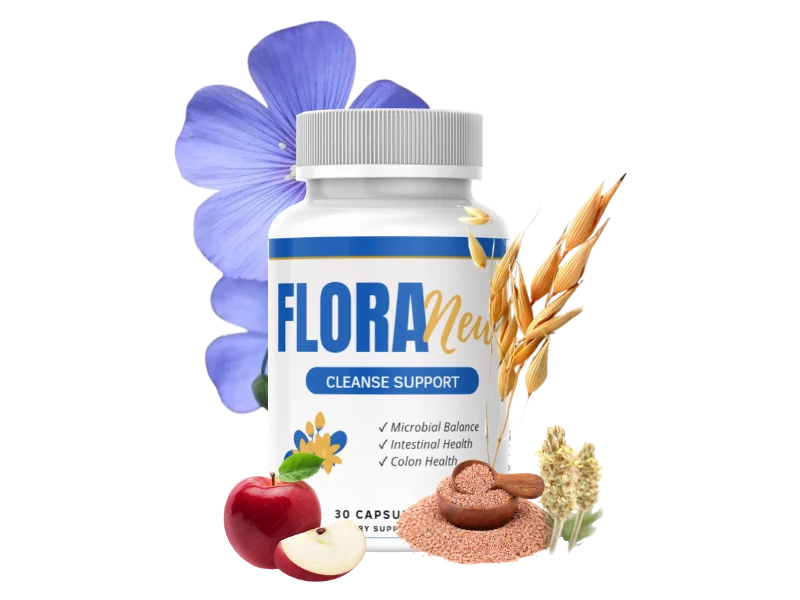
To be clear about what it is: FloraNew is a prebiotic-fibre blend — psyllium, oat bran, apple pectin and flaxseed — not a probiotic. That distinction is the point. Rather than adding bacteria, it feeds the beneficial Bifidobacteria your gut already hosts, which is a sensible complement to a named probiotic strain and a solid foundation on its own. Hold it to realistic expectations: it is a gentle daily fibre top-up with a 60-day guarantee, not an overnight fix. If that fits what you are looking for, you can check current availability and pricing here.
Frequently asked questions
Do probiotics help with constipation?
Some strains do, modestly. The best-studied ones can shorten how long food takes to move through the gut and slightly raise the number of weekly bowel movements. Effects are not universal, they depend on the exact strain, and they are usually small rather than dramatic.
Which strains improve regularity?
Bifidobacterium lactis has the most consistent evidence for regularity, particularly the DN-173 010 and HN019 strains used in trials. Some Lactobacillus and multi-strain blends also show benefit. Because results are strain-specific, the species name alone is not enough; the label should list the full strain and its number.
How long until probiotics help constipation?
Give it two to four weeks of daily use. Probiotics work by gradually shifting the balance of gut bacteria, so a single dose does nothing overnight. If there is no change after about a month of consistent use, the strain is unlikely to be right for you.
Should I combine probiotics with fibre?
Yes. Fibre and fluid are the foundation, and probiotics work best on top of them, not instead of them. Prebiotic fibre also feeds the same beneficial bacteria that probiotic supplements deliver, so the two are complementary. Increase fibre slowly and drink enough water to avoid bloating.