Best Probiotics for IBS in Women (2026)
What are the best probiotics for IBS in women?
The best probiotics for IBS in women are built on clinically studied strains — B. longum 35624, L. plantarum 299v and Bacillus coagulans — ideally in a delayed-release, third-party-tested capsule. Match the strain to your symptom subtype, take it daily for at least a month, and confirm your IBS diagnosis with a clinician first.
- Rank on named strains, not headline CFU counts.
- Look for delayed-release capsules and third-party testing.
- Match the strain to IBS-D or IBS-C, and confirm the diagnosis.
Search "best probiotics for IBS" and you get a wall of top-ten lists, most of them ranking whichever bottle pays the highest commission. This one is built differently. Irritable bowel syndrome is real, it is more common in women than men, and it is stubborn — so the last thing you need is a ranking based on packaging. Instead of naming a single miracle brand, this guide ranks probiotics for IBS on the criteria that actually predict whether they work: clinically studied strains, sensible multi-strain coverage, delayed-release survival and independent testing. Then it is honest about the limits, including the fact that the wrong strain can make a sensitive gut feel worse.
How we judged the best probiotics for IBS
Four criteria separate a genuinely good IBS probiotic from an expensive placebo, and they are the same four a good clinician would look for.
- Clinically studied strains. Benefit is strain-specific, so the label must name the full strain — species plus the letter-and-number code that was actually tested. "Contains Lactobacillus" is not a strain; it is a genus.
- Sensible multi-strain coverage. A focused blend of two to four evidence-backed strains can cover more symptom ground than a single strain, but a scattergun of fifteen unstudied strains is quantity masquerading as quality.
- Delayed-release survival. Stomach acid kills fragile bacteria on the way down. Acid-resistant, delayed-release capsules — or naturally armoured spore strains like Bacillus coagulans — give the bacteria a fighting chance of arriving alive.
- Third-party testing. Independent verification that the count on the label is the count in the capsule, at the end of shelf life, not the day it was bottled.
Notice what is missing from that list: the raw CFU number. A named strain at its tested dose beats an anonymous fifty-billion mega-count almost every time. If a product leads with its colony count and buries its strain codes, that ranking order tells you what it is really selling.
The strains that earn a place
Rather than crown one brand, here are the strains with the strongest randomised evidence in IBS, and what each does best. A well-built product is simply a clean delivery vehicle for one or more of these.
Bifidobacterium longum 35624
The most studied single strain in IBS, with controlled trials showing reduced abdominal pain, bloating and bowel-habit dissatisfaction. If you want one reference strain to anchor a purchase around, this is it. It suits mixed and pain-predominant presentations well.
Lactobacillus plantarum 299v
Acid-tolerant and repeatedly linked to less gas, bloating and abdominal pain. A strong pick when your dominant complaint is pressure and distension rather than irregularity.
Bacillus coagulans
A spore-former that is naturally armoured against heat and acid, so it survives storage and digestion better than many fragile strains. Trials associate it with reduced bloating and abdominal discomfort, and its ruggedness makes it forgiving in real-world conditions.
| Strain | Typical dose (CFU) | Best for |
|---|---|---|
| B. longum 35624 | ~1 billion | Pain, bloating, mixed IBS |
| L. plantarum 299v | ~10 billion | Gas and abdominal pressure |
| Bacillus coagulans | ~1–2 billion | Bloating; poor-storage tolerance |
| Focused 2–4 strain blend | Varies | Overlapping or mixed symptoms |
| Unnamed "15-strain, 50B" blend | 50 billion+ | Marketing, not evidence |
For a deeper, symptom-by-symptom look at whether these strains ease distension specifically, our companion piece on whether probiotics for bloating really work walks through the trial data in detail.
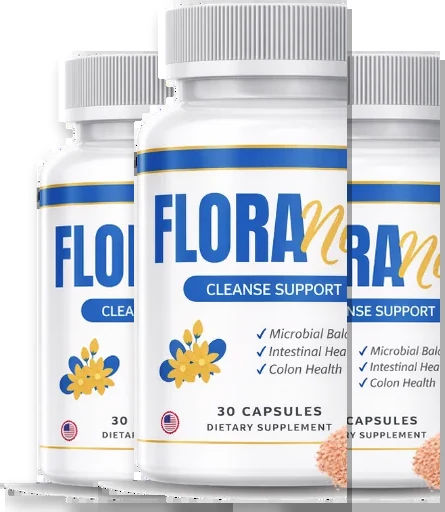
If you would rather start with that foundation before layering strains on top, you can check current FloraNew pricing and availability here. We explain exactly where prebiotic fibre fits in the IBS picture below.
IBS-D vs IBS-C: match the strain to the subtype
The most common mistake is treating IBS as one condition. It is not. Diarrhoea-predominant IBS-D and constipation-predominant IBS-C behave differently, and the same probiotic can help one and aggravate the other. For IBS-D, strains that calm motility and firm the stool are the better fit. For IBS-C, Bifidobacterium strains that shorten transit time earn their place, usually alongside adequate fibre and fluid rather than instead of them. If your IBS is constipation-leaning, our evidence review of which probiotic strains are actually studied for constipation in women is the more precise starting point. Knowing your subtype is the difference between a product that helps and one that quietly makes things worse.
Why CFU counts are the most oversold number on the box
Walk any supplement aisle and the front labels shout in billions: 50 billion, 80 billion, 100 billion CFU. It is the easiest number to print and the easiest to misread. Colony-forming units measure how many live bacteria are in a dose — a quantity, not a quality. A giant count of a strain that has never been tested for IBS is still an untested strain; the number just makes it feel more serious. Worse, CFU is often measured at the time of manufacture, so by the time a fragile strain has survived the warehouse, the shelf and your stomach acid, the living count can be a fraction of what the box promised. This is exactly why delayed-release capsules and spore-forming strains matter more than the headline figure: they protect the dose that was actually studied. When you compare products, put the strain codes side by side first and let the CFU number be a tiebreaker, never the headline.
How to run a fair four-week trial
Buying the right probiotic is only half the job; testing it properly is the other half, and most people get this part wrong. IBS symptoms swing week to week on their own, so a two-day impression tells you nothing. Give any single product a genuine trial before you judge it.
- One product at a time. Rotating brands every few days guarantees you never learn which one, if any, is working.
- Same time, with food, every day. Consistency is the mechanism; sporadic dosing is why so many trials-of-one fail.
- Keep a simple symptom diary. Rate bloating, pain and stool pattern out of ten each evening. Memory is unreliable; a log is not.
- Hold other variables steady. Do not overhaul your diet, start a new medication and switch probiotics in the same week, or you will never know what did what.
- Judge at four weeks. No meaningful trend by then means switch strains, not double the dose.
This is also where a money-back window earns its keep: it should be long enough to cover a real four-week test with margin to spare, which is one reason we point people toward products with a genuine guarantee rather than a token seven-day return.
Confirm the diagnosis first
One clinician-aware point deserves its own heading, because skipping it is the most common mistake in the whole category. IBS is a diagnosis of exclusion — it is what remains after other conditions have been ruled out. Symptoms that look like IBS can also be coeliac disease, inflammatory bowel disease, thyroid problems or, occasionally, something that needs urgent attention. Red-flag signs — blood in the stool, unexplained weight loss, symptoms that wake you at night, a family history of bowel disease, or onset later in life — are reasons to see a clinician before you spend a penny on supplements. A probiotic is a reasonable experiment on top of a confirmed IBS diagnosis. It is a poor substitute for getting that diagnosis in the first place.
Two objections worth taking seriously
"Probiotics made my IBS worse." This happens, and it is not proof the category is useless. In sensitive guts, some strains — and especially high-FODMAP prebiotic fillers like inulin used as bulking agents — can ramp up gas, bloating or urgency. A short flare in the first week or two is usually just the microbiome adjusting. Symptoms that keep escalating past that point are a signal to stop and switch strains, not to grit your teeth for another month. Start at a low dose, take it with food, and treat a persistent worsening as information rather than failure.
"Shouldn't I just fix my diet instead?" Often, yes — and the two are not rivals. For many women, a structured elimination approach does more than any capsule. If you have never tried it, our beginner's walk-through of the low-FODMAP diet for bloating is a higher-value first move than any purchase, and probiotics work better layered on top of a diet you have already dialled in.
Where prebiotic fibre — and FloraNew — fit
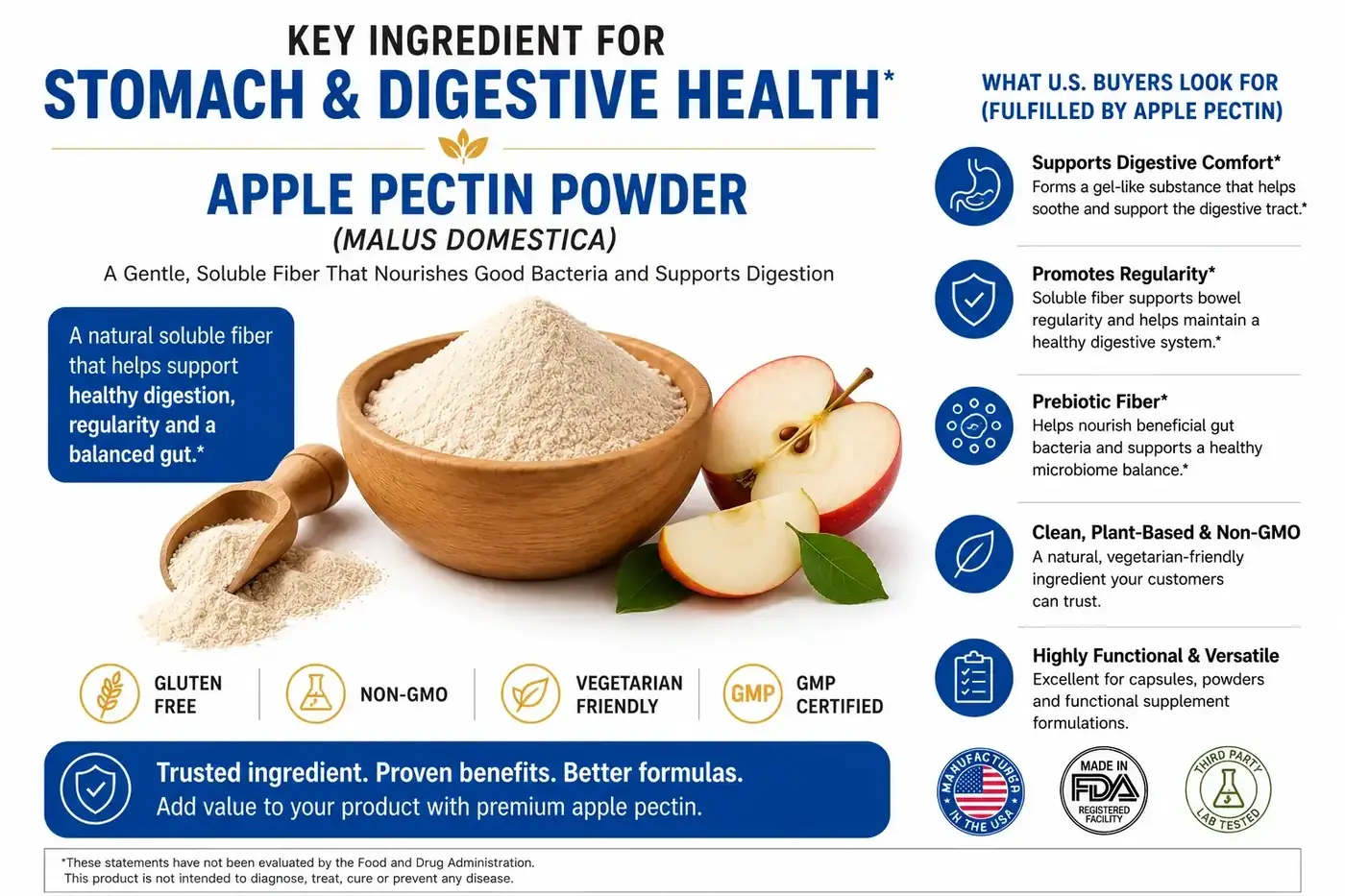
Time for full honesty about our own product. FloraNew is a prebiotic-fibre blend — psyllium, oat bran, apple pectin and flaxseed — not a probiotic. We are deliberately not listing it in the strain table above, because it does not belong there; it is a different tool. Probiotics add bacteria. Prebiotic fibre feeds the beneficial bacteria you already have, including the Bifidobacteria that the best IBS strains belong to. In practice, the two are complements: fibre and fluid are first-line, evidence-backed levers for regularity and comfort, and a named probiotic strain is the layer you add on top.
One caveat that matters for IBS specifically: prebiotic fibre is worth introducing gradually, because a sensitive gut can react to a sudden increase. Psyllium is generally the gentlest, best-tolerated option and has strong clinical support. Hold FloraNew to realistic expectations — it is a daily prebiotic fibre top-up with a 60-day guarantee, not a probiotic and not an IBS treatment. If a fibre-first foundation is what you have been missing, that is exactly the gap it is built to fill, and the guarantee gives you a fair window to run a proper four-week trial.

Frequently asked questions
What is the best probiotic for IBS in women?
There is no single winner for everyone, but the best-evidenced strains for IBS are Bifidobacterium longum 35624, Lactobacillus plantarum 299v and Bacillus coagulans. The strongest all-round pick is one that names its full strains, uses delayed-release capsules so the bacteria survive stomach acid, and is third-party tested. Match the strain to your dominant symptom rather than chasing the biggest colony count.
Do probiotics help IBS-D and IBS-C differently?
Yes. IBS is not one condition, and the strains differ by subtype. For diarrhoea-predominant IBS-D, strains that firm stool and calm motility tend to help most. For constipation-predominant IBS-C, Bifidobacterium strains that speed transit are a better fit, often alongside fibre. Matching the strain to your subtype matters more than the brand name.
Can the wrong probiotic worsen IBS symptoms?
It can. In sensitive guts, some strains and high-FODMAP prebiotic fillers such as inulin can increase gas, bloating or urgency. A short flare in the first week or two is usually just adjustment, but symptoms that keep worsening are a sign that strain is not right for you. Start low, take it with food, and change the strain rather than pushing through weeks of worsening.
Should you take probiotics daily for IBS?
Yes, consistency is how they work. Probiotics do not permanently colonise the gut, so the benefit lasts only while you keep taking them. Trials that showed improvement used daily dosing for at least two to four weeks. Take it at the same time each day, give any single product a full month, and only then judge whether it earns a place in your routine.