The FODMAP Diet for Bloating: A Beginner's Guide
What is the low-FODMAP diet and does it help bloating?
The low-FODMAP diet is a short-term, three-phase eating plan that temporarily removes fermentable carbohydrates known to trigger gas and bloating, then reintroduces them one by one. Research supports it for IBS-type symptoms in many people. It is a diagnostic tool, not a permanent diet, and works best with a dietitian's guidance.
- Phase 1 (elimination) usually lasts 2–6 weeks, not forever.
- It targets IBS-type bloating, not every cause of a bigger belly.
- Reintroduction is the point — it tells you which foods you actually react to.
If you have spent evenings feeling tight, gassy and visibly swollen after meals, you have probably run into the phrase "low FODMAP diet bloating" while searching for answers. It sounds clinical and intimidating, and a lot of the advice online is either oversimplified or flat wrong. This guide keeps it plain: what FODMAPs are, why they cause bloating, how the three-phase plan actually works, and where the honest limits of the approach are.
What "FODMAP" actually means
FODMAP is an awkward acronym for a simple idea. It stands for Fermentable Oligosaccharides, Disaccharides, Monosaccharides and Polyols. Those are all types of short-chain carbohydrate found in everyday foods: the fructans in wheat and onion, the lactose in milk, the excess fructose in honey and some fruit, and sugar alcohols like sorbitol in stone fruit and sugar-free gum.
What these carbohydrates share is that they are poorly absorbed in the small intestine of some people. Instead of being taken up and used, they travel onward to the large intestine largely intact. That is not dangerous, and for most people it causes no trouble at all. But in sensitive guts it sets up the exact conditions that produce bloating.
Why FODMAPs cause bloating
There are two mechanisms, and understanding both explains why bloating can feel so different from day to day.
First, several FODMAPs are osmotically active. They pull water into the bowel, which stretches the intestinal wall and can create that heavy, sloshy, distended feeling. Second, once they reach the colon, resident bacteria happily ferment them, producing gas as a by-product. Gas plus extra water in a sensitive, sometimes over-reactive gut equals visible bloating, pressure and often a change in bowel habits.
This is why the diet is aimed squarely at IBS-type bloating — the kind linked to irritable bowel syndrome and functional gut sensitivity — rather than at every possible cause of a rounder abdomen. Bloating from a large meal, swallowed air, hormonal water retention or an untreated medical condition will not necessarily respond to cutting FODMAPs, which is one reason the diet is not a first move for everyone.
The three phases, in order
The single most common mistake is treating low-FODMAP as a permanent list of "banned" foods. It is not. It is a structured, time-limited process with three distinct phases, and skipping the later ones defeats the purpose.
Phase 1 — Elimination (2 to 6 weeks)
You temporarily swap high-FODMAP foods for low-FODMAP alternatives across the board. The aim is to quieten symptoms enough to establish a clear baseline. Crucially, this phase is short. Most guidance keeps it to between two and six weeks — long enough to judge whether your gut settles, short enough to avoid the downsides of heavy restriction. If nothing improves after this window, low-FODMAP is probably not your answer, and that is useful information too.
Phase 2 — Reintroduction (the real work)
This is where the value lives. You systematically add high-FODMAP foods back, one FODMAP group at a time, in gradually larger amounts, while watching for symptoms. The point is to learn which specific groups you react to and how much you can tolerate. Many people discover they are fine with several categories and only sensitive to one or two — often the fructans in wheat and onion, or the polyols in certain fruit.
Phase 3 — Personalisation
Armed with what you learned, you build a long-term way of eating that avoids or limits only your genuine triggers while keeping everything you tolerate. The goal is the least restrictive diet that keeps you comfortable, not the most restrictive one you can endure.

A quick sense of the swaps
You do not need to memorise hundreds of foods to grasp the pattern. Here is a small, representative snapshot — the definitive lists come from validated sources like the Monash University app, which tests foods in a lab.
| Category | Higher-FODMAP examples | Gentler swaps |
|---|---|---|
| Grains | Wheat bread, rye | Oats, sourdough spelt, rice |
| Vegetables | Onion, garlic, cauliflower | Carrot, spinach, courgette |
| Fruit | Apple, pear, mango | Firm banana, orange, strawberry |
| Dairy | Regular milk, soft cheese | Lactose-free milk, hard cheese |
The honest limits
Low-FODMAP is one of the better-studied dietary approaches for IBS symptoms, and for many people the reduction in bloating during elimination is real. But it comes with genuine caveats worth stating plainly.
- It is restrictive and fiddly. Done properly it changes shopping, cooking and eating out. That difficulty is exactly why guidance recommends doing it with a registered dietitian rather than freestyling it.
- It is not meant to last. Staying in strict elimination for months can lower your fibre intake and reduce the diversity of your gut bacteria — the opposite of what a healthy gut wants long term.
- It is not a diagnosis. Persistent bloating, especially if it is new, worsening, or comes with weight loss, bleeding or pain, needs a doctor first to rule out other causes.
- It is not for everyone. People with a history of disordered eating, and anyone who is pregnant or has high nutritional needs, should be cautious and get professional input.
Where fibre and FloraNew fit in
One under-appreciated wrinkle is that some of the most useful gut foods — certain prebiotic fibres — are themselves FODMAPs. That is why the diet deliberately reintroduces them rather than banning them forever: a healthy long-term gut generally wants more fibre and microbial diversity, not less. Once you have finished reintroduction and know your triggers, gently rebuilding fibre variety is part of the plan.
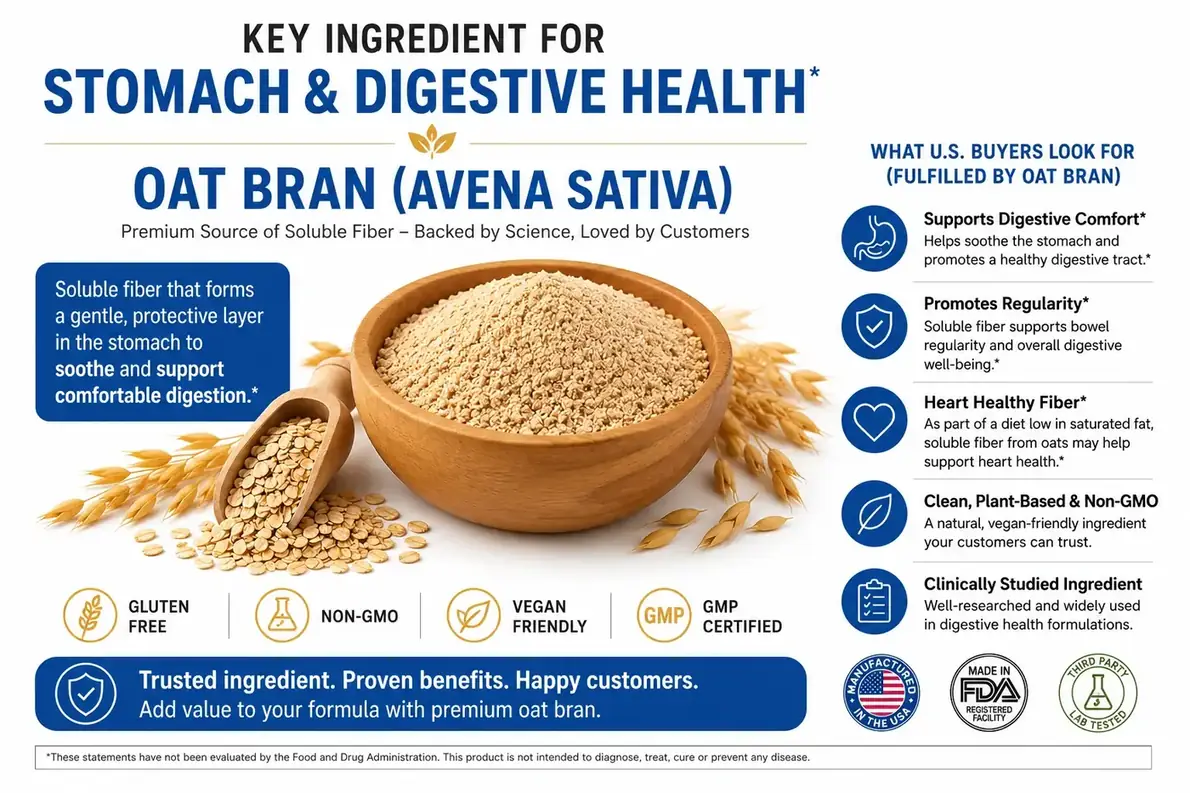
FloraNew is a simple daily fibre top-up built on oat bran, apple pectin, flaxseed and psyllium. It is not a FODMAP treatment and it will not tell you which foods trigger you — only structured reintroduction does that. But for people rebuilding a broader, fibre-rich diet after elimination, a modest, consistent fibre source can be a convenient addition, introduced slowly and with plenty of water. Hold it to realistic expectations, and if your gut is sensitive, add any new fibre gradually.
The bottom line
The low-FODMAP diet is a short-term investigation, not a life sentence. Use elimination to get relief and a baseline, use reintroduction to learn your real triggers, and use personalisation to land on the broadest comfortable diet you can. Do it with guidance where possible, keep the timeline tight, and treat any capsule — FloraNew included — as a small supporting player, not the star.
Frequently asked questions
What is the low-FODMAP diet?
FODMAP stands for fermentable oligosaccharides, disaccharides, monosaccharides and polyols — short-chain carbohydrates that some people digest poorly. The low-FODMAP diet temporarily limits high-FODMAP foods to calm gas, bloating and irregular bowel habits, then adds them back in a structured way to find your personal triggers.
How long does the elimination phase last?
The strict elimination phase typically runs two to six weeks. That is long enough to see whether symptoms improve, but short by design. Staying in elimination for months is not recommended, because it needlessly restricts healthy, fibre-rich foods and can reduce the diversity of your gut bacteria.
Is low-FODMAP safe long term?
The full elimination diet is not meant to be permanent. Long-term restriction can lower fibre intake and starve beneficial gut microbes. The goal is to reintroduce as many foods as you tolerate and settle into the least restrictive diet that keeps you comfortable, ideally with a registered dietitian's support.
Who should try a FODMAP diet?
It is best suited to people with diagnosed IBS or persistent, unexplained bloating who have not responded to simpler changes. Speak to a doctor first to rule out other causes. Because it is complex and restrictive, it is safest done with guidance rather than pieced together from social media.
References
A simple daily fibre top-up
FloraNew pairs oat bran, apple pectin, flaxseed and psyllium in one vegetarian capsule — a gentle way to rebuild fibre variety, with a 60-day money-back guarantee.
 Order Now