Gut Microbiome Diversity: How Women Increase It
How do you increase gut microbiome diversity?
Eat a wider range of plants — aim for around 30 different types a week — add a little fermented food most days, cut back on ultra-processed products, and protect your sleep and daily movement. Diversity is built by variety and consistency over weeks, not by any single food or supplement.
- Variety is the lever: many different plants beat a large amount of any one.
- Fermented foods help: yogurt, kefir, kimchi and sauerkraut have trial evidence for raising diversity.
- Judge it over weeks: diversity reflects resilience, so build it steadily rather than chasing a quick fix.
If you have read anything about gut health in the last few years, you have met the word diversity. It is one of the few gut markers researchers broadly agree is worth paying attention to, and it is also one of the most misunderstood. Diversity is not about having more bacteria; it is about having a wider range of them, in a reasonably even balance. This article lays out what that means, why it matters for women in particular, and — the useful part — the specific, evidence-based habits that raise it.
What "diversity" actually measures
Your large intestine houses trillions of microbes from hundreds of species. Two numbers describe that community. The first is abundance: roughly how many microbes are there in total. The second is diversity, which itself has two parts — richness (how many different species are present) and evenness (whether they are reasonably balanced, or whether one or two species dominate). When scientists talk about a "diverse" gut, they mean rich and even: lots of different players, none of them running the whole show.
That distinction matters because a crowded gut is not the same as a healthy one. You can have a large population made up of only a handful of species, and that is generally considered less resilient than a smaller population spread across many. Variety, not headcount, is the marker that tends to track with better outcomes in population studies.
Why diversity matters more than count
The best way to picture it is an ecosystem. A field with thirty plant species handles a drought, a pest or a cold snap far better than a field of a single crop, because when one species struggles another can take over its job. A gut community works the same way. Different microbes ferment different fibres, produce different beneficial compounds, and occupy different niches. A varied community has backups; a narrow one does not.
This is why researchers treat diversity as a proxy for resilience — the ability of your gut to absorb a disruption and bounce back. Life is full of disruptions: a course of antibiotics, a stomach bug, a stressful stretch, a week of travel and takeaways. A diverse community weathers those and recovers; a narrow one can be knocked into a less favourable state and stay there. Low diversity is associated, across many observational studies, with a range of less desirable metabolic and digestive patterns. It is important to be honest about what that association is and is not: it is a correlation seen at the population level, not proof that any one person's symptoms are caused by, or will be fixed by, a diversity number. Diversity is a useful compass, not a diagnosis, and "more" is not infinitely better — context and balance matter too.
The five levers that raise diversity
The encouraging finding from the last decade of microbiome science is that diversity is largely built by ordinary daily habits, not exotic ones. Five levers do most of the work.
1. Eat around 30 different plants a week
This is the single most reliable lever, and it comes from real data. The American Gut Project — one of the largest citizen-science microbiome datasets — found that people who reported eating more than 30 different types of plant per week had noticeably more diverse gut communities than those eating 10 or fewer. The mechanism is simple: different plants carry different fibres and polyphenols, and different microbes are needed to break each of them down. Feed a wider menu and you support a wider community.
"Plants" here is generous. It includes vegetables, fruit, wholegrains, legumes, nuts, seeds, and even herbs and spices. A tablespoon of mixed seeds on yogurt is several plants; a handful of mixed beans is several more. Thirty a week sounds daunting until you start counting, at which point most people find they are closer than they thought — and the gap is easy to close by swapping in variety rather than volume.
2. Add a little fermented food most days
Fermented foods are the lever with the most direct experimental support. In a 2021 Stanford study published in Cell, adults who spent ten weeks eating a diet high in fermented foods — yogurt, kefir, fermented cottage cheese, kimchi, sauerkraut and kombucha — saw their microbiome diversity increase, alongside a drop in several markers of inflammation. Notably, the high-fibre arm of the same study did not raise diversity over the ten weeks, though it did change how the microbes functioned. The takeaway is not "fibre doesn't matter" — it clearly does over the longer term — but that fermented foods appear to move the diversity needle faster, and the effect grew as people ate more servings.
You do not need much. A few spoonfuls of live yogurt or kefir, or a forkful of kimchi or sauerkraut alongside a meal, is a sensible daily amount. Look for "live" or "raw" and unpasteurised where relevant, since heat kills the cultures.
3. Cut back on ultra-processed foods
Where whole plants add variety, heavily ultra-processed foods tend to subtract it. Diets dominated by refined, packaged products are consistently associated with lower diversity in observational research, partly because they are low in the fibres microbes feed on and partly because some additives and emulsifiers appear, in early studies, to disturb the community. You do not have to be puritanical about this. The realistic goal is to shift the ratio — more meals built from recognisable ingredients, fewer built from a long additive list — rather than to ban anything outright.
4. Protect your sleep
The gut runs on a daily clock, and so do its microbes. Small human studies have found that short or disrupted sleep is associated with lower diversity, and that the microbiome's own composition fluctuates across the day in step with the body's circadian rhythm. Shift work and jet lag — both of which scramble that clock — have been linked to less favourable microbial profiles. The practical version is unglamorous but real: reasonably regular sleep and wake times give your gut community the rhythm it seems to prefer.
5. Keep moving
Physical activity is an independent lever. A frequently cited study of professional athletes found they had markedly more diverse microbiomes than sedentary controls, and while elite sport is an extreme case, later work suggests regular moderate exercise nudges diversity up in ordinary people too, partly through its effects on gut transit and metabolism. You are not training for anything; consistent daily movement is the point.
What this looks like for women specifically
The five levers apply to everyone, but a few things make the topic particularly relevant to women. Hormones and gut microbes interact in both directions. A subset of gut bacteria — sometimes called the "estrobolome" — is involved in how the body processes and recycles oestrogen, which is one reason gut health is an active research area in women's wellness across the menstrual cycle, pregnancy and the menopause transition. Many women also notice their digestion shifting predictably across the cycle, which reflects the normal interplay between hormones and gut function rather than anything going wrong.
None of this means a diverse microbiome "treats" any hormonal condition — it does not, and anyone claiming so is overselling. What it does mean is that the general resilience diversity provides is worth building at every life stage, and that the levers above are a sound, low-risk foundation. If you are pregnant, nursing, or managing a specific health condition, run dietary changes and any supplement past your own clinician first.
| Lever | What the evidence suggests | Practical target |
|---|---|---|
| Plant variety | More plant types tracks with higher diversity (American Gut Project) | ~30 different plants per week |
| Fermented foods | Raised diversity and lowered inflammation markers in a 10-week trial | A small serving most days |
| Fewer ultra-processed foods | Associated with lower diversity; shift the ratio, don't ban | More whole-ingredient meals |
| Sleep | Short/disrupted sleep linked to lower diversity | Regular sleep and wake times |
| Movement | Active people show greater diversity than sedentary | Consistent daily activity |
How fast can it change — and where a supplement fits
The community responds to a genuine dietary change within days, but a stable, measurable rise in diversity generally takes several weeks of consistent variety. Treat it like fitness: judge it over one to three months, and know that the gains fade if the habits stop. There is no overnight version.
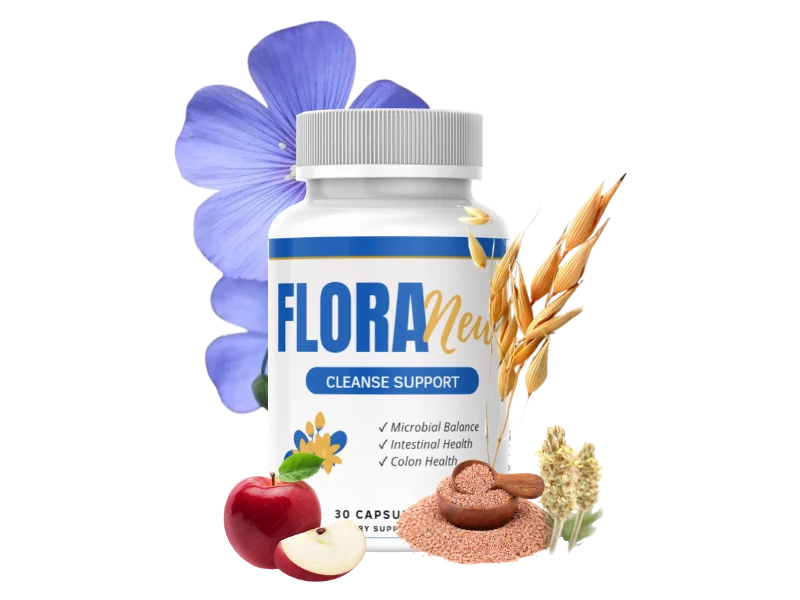
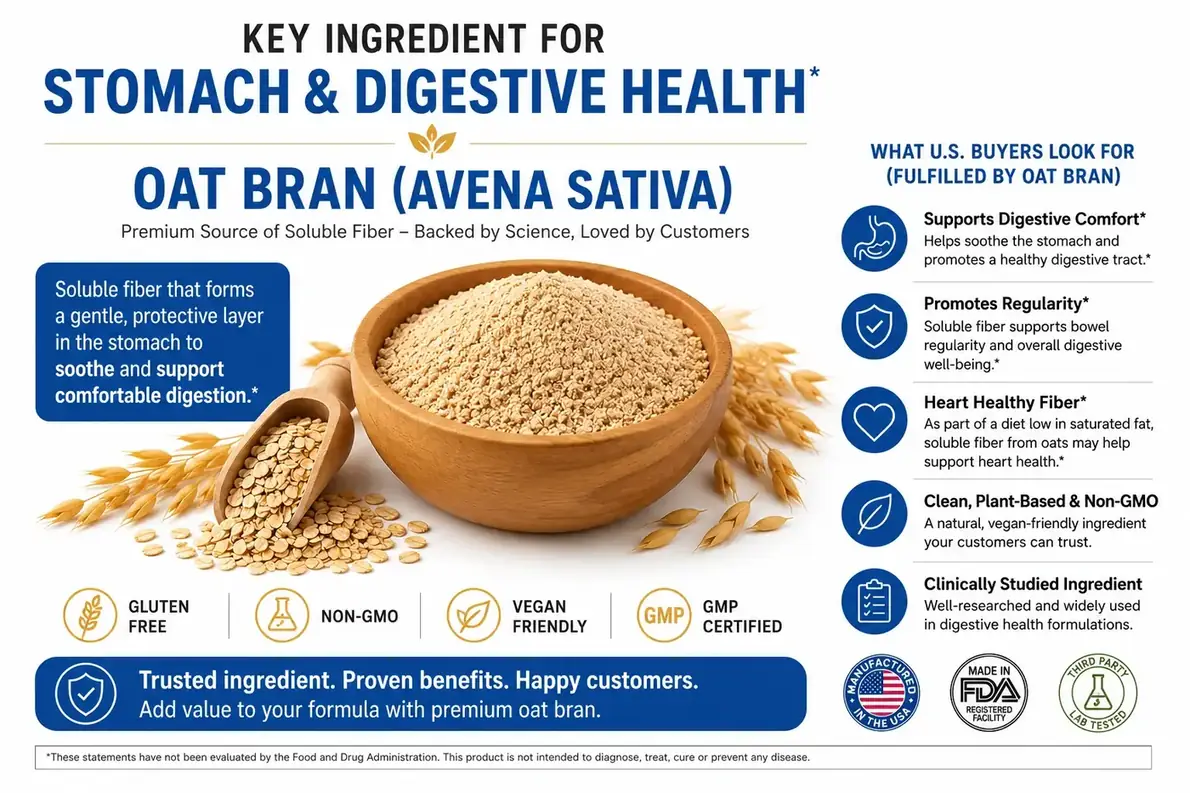
Where does a fibre supplement sit in all this? Honestly, as a supporting player. The heavy lifting is done by the range of whole foods on your plate — no capsule replaces thirty different plants a week or a daily spoon of kefir. What a fibre top-up can do is help close a shortfall on the days your diet falls short, and provide fermentable material for the microbes you already have. FloraNew combines four whole-food fibres — psyllium, oat bran, apple pectin and flaxseed — in a single daily capsule, which makes it a convenient addition to a varied diet rather than a substitute for one. Hold it to that realistic role and it can earn a place; expect it to build diversity by itself and it will disappoint.
Frequently asked questions
How do I increase gut microbiome diversity?
Widen the range of plants you eat, aiming for around 30 different types across a week, and add a small serving of fermented food most days. Cut back on ultra-processed products, protect your sleep, and keep moving. Diversity is built by variety and consistency, so spread your choices out rather than relying on one food.
Why does diversity matter more than count?
A high total number of bacteria tells you how crowded your gut is, not how varied. Diversity measures how many different species are present and how evenly they are balanced, and a varied community tends to be more stable and resilient when your diet, travel or medication change. That resilience is why researchers treat diversity as one of the more useful markers of gut health.
Do fermented foods boost diversity?
They can. In a 2021 Stanford trial, a diet high in fermented foods such as yogurt, kefir, kimchi and sauerkraut increased microbiome diversity and lowered several markers of inflammation over ten weeks. The effect grew as people ate more servings, so a small amount most days is a reasonable, low-cost thing to try.
How fast can diversity improve?
The community starts shifting within days of a real change in what you eat, but a measurable, lasting rise in diversity generally takes several weeks of consistent variety. Treat it like fitness rather than a switch: judge it over one to three months, not over a single week, and expect the gains to fade if the new habits stop.
Related reading
Scientific references
- McDonald et al., mSystems (2018) — American Gut Project: plant variety and microbiome diversity
- Wastyk et al., Cell (2021) — Fermented-food diet increases microbiota diversity and lowers inflammatory markers
- NIH NCCIH — Dietary fibre
- Clarke et al., Gut (2014) — Exercise, diet and gut microbial diversity in athletes

Add a little fibre variety to your day
FloraNew pairs psyllium, oat bran, apple pectin and flaxseed in one daily capsule — a convenient top-up for a plant-varied diet, backed by a 60-day guarantee.
Order Now