Leaky Gut Symptoms in Women & Probiotics
What are leaky gut symptoms in women?
Leaky gut symptoms in women usually show up as persistent bloating, gas, unexplained fatigue, new food sensitivities and irregular stools. The underlying idea — increased intestinal permeability — is a real mechanism, not a formal diagnosis. Probiotics may support the gut barrier by strengthening tight-junction proteins, and they work best alongside fibre and a diverse diet.
- Common signs: bloating, gas, fatigue, food sensitivities, irregular stools.
- "Leaky gut" is a mechanism, not a stand-alone diagnosis.
- Support the barrier with probiotics, fibre and a diverse diet.
Few phrases stir up more confusion than "leaky gut." To some it is the explanation for everything from tiredness to acne; to others it is pseudoscience to be waved away. The honest position sits between those two. Increased intestinal permeability — the technical term behind leaky gut symptoms in women — is a genuine, measurable phenomenon that scientists study seriously. What it is not is a tidy diagnosis you can be handed to explain every bad day. This guide walks through the signs women most often report, explains what is actually happening at the gut wall, and shows where probiotics and prebiotic fibre realistically fit — without overpromising.
What "leaky gut" actually means
Picture the lining of your intestine as a single layer of cells packed tightly together, with the gaps between them sealed by structures called tight junctions. That barrier is selective on purpose: it lets water, nutrients and useful molecules through while holding back bacteria, toxins and undigested food particles. "Increased intestinal permeability" simply means those junctions have loosened, so the barrier becomes leakier and less selective than it should be. That much is well established in the scientific literature. The controversy is not whether permeability exists — it does — but how much of everyday tiredness and bloating it explains, which is where honest science and internet hype part ways.
Leaky gut symptoms in women: the common signs
Because the gut barrier touches digestion, immunity and even energy, the symptoms attributed to increased permeability are broad and non-specific. That breadth is exactly why no single symptom proves anything on its own — it is the pattern that is worth paying attention to. The signs women report most often are:
- Persistent bloating and gas that is not clearly tied to one obvious food.
- Unexplained fatigue that does not resolve with rest.
- New or growing food sensitivities — foods you used to tolerate now cause discomfort.
- Irregular, unpredictable stools swinging between loose and sluggish.
- A general sense of digestive "offness" after meals.
Read that list and you will notice something important: every item overlaps with ordinary IBS, food intolerance, stress, poor sleep and a dozen other things. That is not a flaw in the list; it is the whole point. Use these signs as a prompt to investigate and to look at your diet and habits — not as a self-diagnosis. If you want a broader view of what a struggling gut looks like, our overview of the most common signs of an unhealthy gut in women puts these symptoms in context.
A quick self-check — and a firm caveat
Use this as a reflection tool, not a diagnosis. Tick the ones that describe your last few weeks:
- Bloating on most days, regardless of what I eat.
- Tiredness that sleep does not fix.
- More foods seem to disagree with me than a year ago.
- My bowel habits are unpredictable week to week.
- I have had gut infections, heavy antibiotic use, or a lot of stress recently.
The caveat matters as much as the checklist. Several of these symptoms can also point to conditions that deserve real medical attention — coeliac disease, inflammatory bowel disease, thyroid problems, iron deficiency and others. Persistent fatigue, unexplained weight change, blood in the stool, or a sudden shift in bowel habits are reasons to see a clinician and rule things out properly, not to reach for a supplement. A good symptom checker sends you toward answers; it does not replace them.
What loosens the gut barrier
Permeability is not random. The most common contributors are an imbalance of gut bacteria (dysbiosis) and bacterial overgrowth in the small intestine (SIBO), both of which can irritate the mucosal lining and nudge the junctions open. Chronic stress, heavy alcohol use, frequent NSAID painkillers, a low-fibre diet and certain infections all push in the same direction. If small-intestinal overgrowth is part of your picture, the strain choices are different and worth understanding first; our primer on what women should know about probiotics for SIBO covers where they help and where they can backfire. The reassuring flip side is that most of these levers — diet, stress, sleep, alcohol — are ones you can actually influence.
If, having read this far, you are convinced that feeding your gut bacteria better is the sensible first move, you can check current FloraNew pricing and availability here. The section below explains precisely how prebiotic fibre supports the barrier — and what it cannot do.
How probiotics support the gut lining
This is where probiotics have a genuinely plausible role, described carefully. Certain strains appear to help reinforce the tight-junction proteins that seal the gaps between intestinal cells — effectively helping the barrier stay selective. They also compete with less helpful bacteria and produce short-chain fatty acids, especially butyrate, which is the preferred fuel for the cells lining the colon. Better-fed lining cells and firmer junctions are the mechanism behind the idea of probiotics as "gut-barrier support." Two honest qualifiers keep this from tipping into hype: the effect is supportive, not a cure for any condition, and it is strain-specific, so a random blend is far less likely to help than a named, studied strain. Probiotics do not patch a barrier overnight, and they are not a licensed treatment for anything.
It is also worth knowing which strains carry the most research here, so you can read a label critically. Several Lactobacillus and Bifidobacterium strains have been studied for their effect on barrier integrity in laboratory and clinical settings, and spore-forming strains such as Bacillus coagulans are popular precisely because they survive digestion well. As always, the benefit is tied to the specific strain that was tested, not to the species name printed in large type. A bottle that lists only "probiotic blend" with no strain codes is asking you to take its barrier claims on faith.
Why the gut barrier matters more for women
Women are not simply smaller men when it comes to digestion. Sex hormones influence gut motility and the composition of the microbiome across the menstrual cycle, which is part of why bloating and bowel changes so often track with hormonal shifts. Women are also diagnosed with IBS and autoimmune conditions more frequently, both of which intersect with barrier function. None of that makes increased permeability a female disease — it is not a disease at all — but it does mean the everyday levers that support the lining, from fibre to stress management, tend to pay off visibly for women who have been riding a rollercoaster of unpredictable symptoms. Supporting the barrier is less about chasing a cure and more about removing the things that irritate it and feeding the things that strengthen it.
Two myths worth deflating
Myth 1: a "leaky gut cleanse" seals the barrier fast. There is no supplement that reseals intestinal junctions in a weekend, and products promising a rapid "gut reset" are selling urgency, not biology. The lining renews and strengthens gradually, on the back of consistent diet and habits over weeks and months.
Myth 2: leaky gut is the cause of every symptom. Blaming one mechanism for fatigue, bloating, mood and skin at once is exactly the overreach that gets the whole concept dismissed. Permeability is one piece of a bigger puzzle. Treating it as the master key means you may miss a more specific, more treatable explanation — which is why ruling other things out comes first.
Beyond probiotics: what supports the barrier most
Here is the honest hierarchy. The single biggest lever for the gut lining is not a capsule of bacteria — it is a diverse, fibre-rich diet, because prebiotic fibre feeds the very bacteria that produce barrier-nourishing butyrate. Add adequate sleep, managed stress, sensible alcohol limits, and avoiding unnecessary painkillers, and you have addressed most of what loosens the junctions in the first place. A wider variety of plants generally means a more diverse, more resilient microbiome; our guide on how to increase gut microbiome diversity in women is the practical companion to this page. Probiotics sit on top of that foundation as one supportive layer — useful, but not a replacement for the basics.
Where prebiotic fibre — and FloraNew — fit
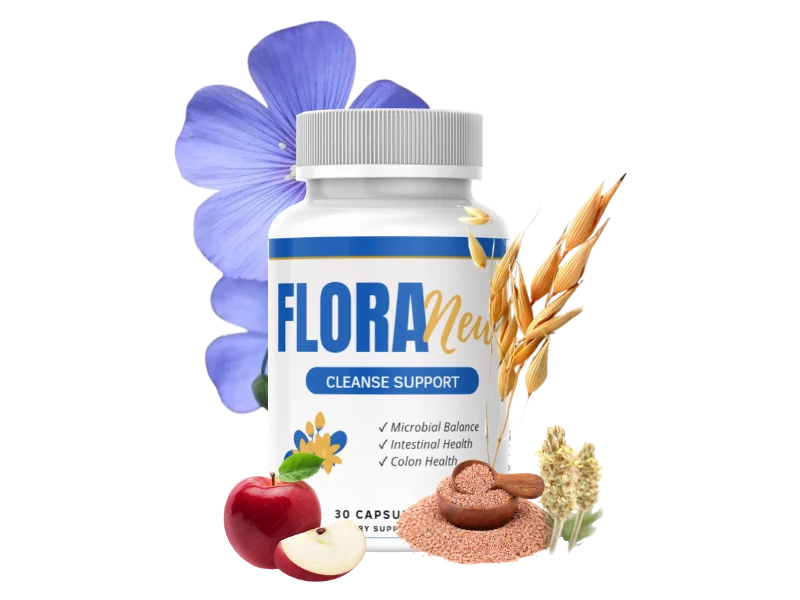
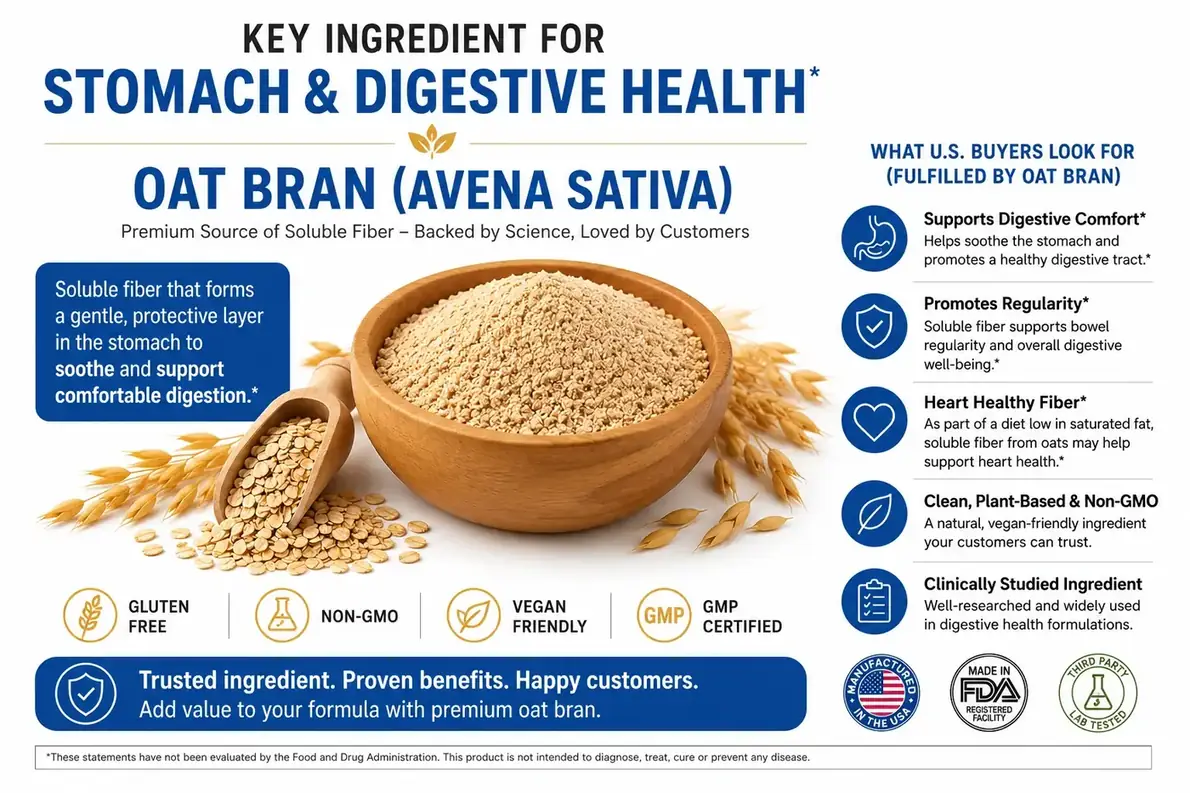
To be clear about our own product: FloraNew is a prebiotic-fibre blend — psyllium, oat bran, apple pectin and flaxseed — not a probiotic and not a leaky-gut treatment. Its role in this story is specific and honest. Prebiotic fibre is the food supply for the beneficial bacteria that produce butyrate, the fuel your gut-lining cells depend on. In other words, rather than adding bacteria, it strengthens the biology that keeps the barrier well-nourished from the inside. Because most women fall short on fibre, a gentle daily top-up is often the highest-value, lowest-drama first move — and psyllium in particular has strong clinical support and is well tolerated. Introduce it gradually with plenty of water, hold it to realistic expectations, and treat the 60-day guarantee as a fair window to see how your digestion responds. Pairing it with a more varied, plant-rich diet — and with the right soluble versus insoluble fibre for bloating — is working with the same biology from every direction at once.
Frequently asked questions
What are the signs of leaky gut in women?
The signs most often linked to increased intestinal permeability are persistent bloating and gas, unexplained fatigue, new or growing food sensitivities, and irregular or unpredictable stools. None of these is specific to the gut lining on its own, which is exactly why they are worth taking seriously as a pattern rather than a self-diagnosis. Track them, and use them as a prompt to rule out other conditions with a clinician.
Is leaky gut a real medical diagnosis?
Not as a standalone label. Increased intestinal permeability is a real, measurable phenomenon that appears alongside recognised conditions such as coeliac disease, inflammatory bowel disease and infections. But leaky gut on its own is not a formal diagnosis you can be given, and treating it as a catch-all explanation for every symptom is a mistake. It is better understood as a mechanism than a disease.
How do probiotics support the gut lining?
Certain strains appear to strengthen the tight-junction proteins that seal the gaps between intestinal cells, which is the physical barrier that keeps the gut wall selective about what crosses it. They also produce short-chain fatty acids such as butyrate that nourish the cells lining the colon. The effect is supportive rather than a cure, and it works best alongside fibre and a diverse diet.
What else besides probiotics helps intestinal permeability?
A diverse, fibre-rich diet does much of the heavy lifting, because prebiotic fibre feeds the bacteria that produce butyrate, the main fuel for the gut lining. Adequate sleep, managed stress, limiting alcohol and unnecessary NSAID use, and treating any underlying issue such as SIBO all matter. Probiotics are one supportive layer within that bigger picture, not a substitute for it.