Probiotics & Weight Loss: The Evidence for Women
Can probiotics help women lose belly fat?
On probiotics and weight loss for women, the evidence is modest, not magic. Some strains such as Lactobacillus gasseri and Bifidobacterium lactis have shown small reductions in waist circumference over 8 to 12 weeks in trials, usually alongside diet and activity. Probiotics are gut support that can reduce bloat-driven puffiness — not a fat-burner.
- Certain strains show modest waist and abdominal-fat reductions over 8–12 weeks in trials.
- Much of the visible difference is less bloating and better regularity, not pure fat loss.
- Results depend on diet and activity; no probiotic guarantees weight loss.
Search probiotics weight loss women and the internet splits into two camps: breathless "melt belly fat with one capsule" claims, and cynics insisting probiotics do nothing at all. As usual, the truth is quieter and more useful than either. There is a real body of research linking specific strains to modest changes in waist circumference and abdominal fat in women — and there is an equally real tendency for supplement marketing to inflate those findings into promises the science never made. This article walks the middle line: what the trials actually show, which strains have evidence, how long it takes, and where a fibre supplement like FloraNew fits without pretending to be a fat-burner.
Let us set the honest frame up front. Probiotics are not a weight-loss drug. In the studies that found benefit, they were an add-on to a reasonable diet, and the effects were measured in centimetres off a waistline over months, not dress sizes in a fortnight. Kept in proportion, that is still interesting — especially the part of the effect that comes from simply feeling less bloated and puffy day to day.
What the evidence on probiotics and weight loss in women really shows
Several randomised trials and meta-analyses have tested probiotics for body weight, waist circumference and body fat. The pattern that emerges is consistent: statistically real but small. A number of studies report reductions of roughly one to three centimetres in waist circumference, or a modest drop in abdominal fat percentage, in participants taking specific strains for eight to twelve weeks compared with placebo. Some show a small effect on body weight; some show none. The effect sizes are nowhere near what medications or a genuine calorie deficit produce, and they are highly dependent on the person's overall diet.
Why would gut bacteria influence waistline at all? Researchers point to several plausible mechanisms. Certain strains may modestly affect how much fat is absorbed and how appetite-regulating signals behave. A healthier microbiome is associated with lower low-grade inflammation, which is linked to fat storage patterns. And better regularity and less gas simply mean less distension — a genuinely flatter-looking abdomen even before any fat changes. That last mechanism is underrated: for a lot of women, "my belly looks smaller" after a few weeks of gut support is real, and it is mostly a bloating story. Recognising that keeps expectations honest and prevents the crash of disappointment when the scale barely moves.
Which strains have the evidence
This is where the word "probiotics" becomes almost useless, because effects are strain-specific. Two names come up most in the weight-management literature:
- Lactobacillus gasseri — the most cited strain in this space, with trials reporting modest reductions in abdominal and visceral fat over roughly 12 weeks, though some benefit faded when supplementation stopped.
- Bifidobacterium lactis (animalis subsp. lactis) — associated in some studies with small improvements in body composition and metabolic markers, often bundled with better regularity.
Other Lactobacillus and Bifidobacterium species show scattered, weaker signals. The practical lesson is that a random multi-strain tub is not "a weight-loss probiotic" just because it contains lactobacilli. If a product's marketing leans on weight claims but its label does not name a studied strain at a studied dose, the science on the box is doing less work than the copy. For a wider view of how a varied, well-fed microbiome underpins all of this, our guide on how to increase gut microbiome diversity for women is a useful companion read.
It is also worth naming why results vary so much from one woman to the next, because the averages in a trial hide a wide spread of individual responses. Your starting microbiome, your baseline diet, your hormones across the cycle and even your sleep all shape how — or whether — a given strain does anything for you. Two women can take the identical product for twelve weeks and get genuinely different outcomes, and neither is doing it wrong. This is exactly why honest coverage talks in "may" and "modest" rather than guarantees, and why the smartest approach is to treat any probiotic as a personal experiment with a clear time limit and an objective measurement, rather than a settled promise you have already paid for.
The bloating-versus-fat distinction that changes everything
If you take one idea from this page, make it this: a smaller-looking belly and a smaller amount of belly fat are two different things, and confusing them is why so many women feel let down by supplements. When trapped gas, sluggish transit and water retention ease, your abdomen can visibly flatten within weeks. That is a legitimate, satisfying result — but it is decompression, not fat loss. Genuine reductions in abdominal fat are slower, smaller, and inseparable from your overall energy balance.
The reason this matters commercially and personally is that the fastest, most reliable "waistline" win available to most women is simply reducing bloat — and that is driven far more by fibre, hydration and regularity than by any exotic strain. If you routinely feel distended after meals, the honest first question is whether your gut is moving well, not whether you need a fat-burning bacterium. We dig into that mechanism in detail in our piece on whether probiotics for bloating in women actually work, which pairs naturally with this one.
Where FloraNew fits — support, not a shortcut
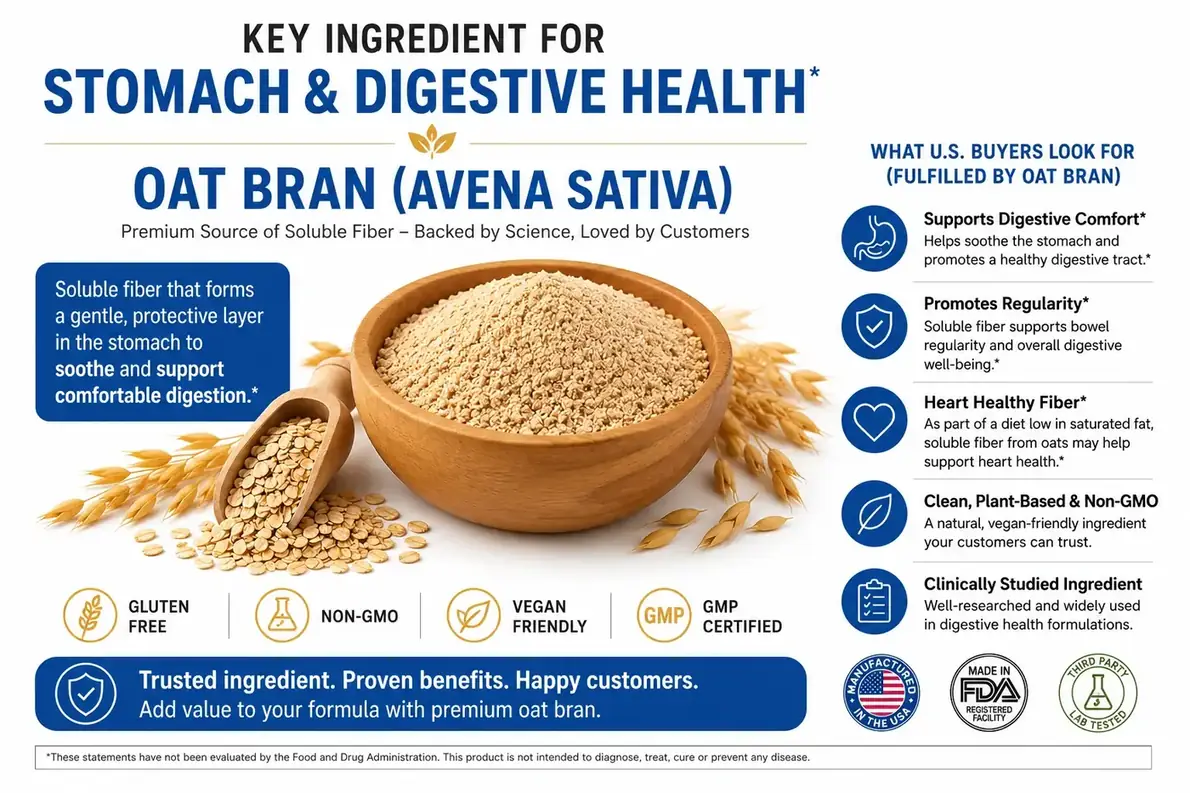
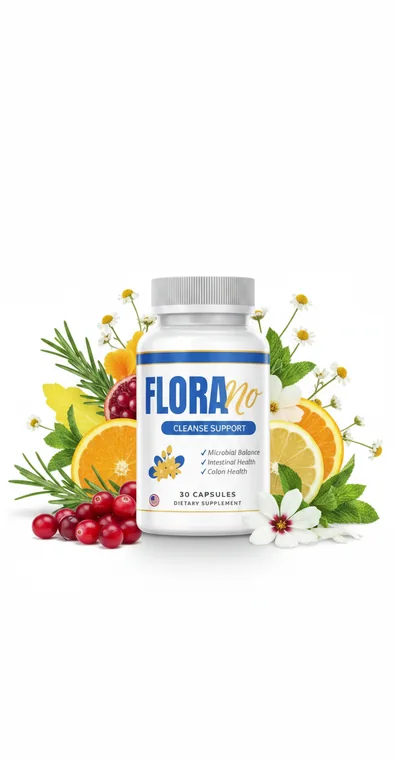
FloraNew is not a probiotic and it is not a weight-loss product, and we are not going to dress it up as one. It is a daily blend of soluble fibres — psyllium, oat bran, apple pectin and flaxseed — and its honest job in a weight-management context is narrow but real: it supports regularity and helps you feed a healthier microbiome, which is exactly the "less bloat, better transit" mechanism that makes the biggest visible difference to a waistline in the short term. Fibre also promotes fullness, which can quietly support the calorie-aware eating that actually moves fat — a supporting role, never the star.
Put plainly: the strains above may offer a small metabolic assist for some women, and a fibre top-up like FloraNew supports the regularity and satiety side of the same picture. What neither does is override diet and activity. If you want to try FloraNew for the fibre and regularity benefits, you can review the full FloraNew ingredient blend and the current pricing on the official store — just hold it to honest expectations.
Support daily regularity with FloraNew → Order Now
How long does it take?
Timelines are where honesty pays off, because unrealistic ones cause people to quit two weeks before anything could show. Bloating and regularity respond fastest — often within one to four weeks — and that is when many women notice the "flatter" look. Anything measurable on the tape at your waist, or in body-fat terms, tracks with the trial timelines: give it eight to twelve weeks of consistent use before you judge. And measure the right thing. The scale conflates water, food, muscle and fat; a tape measure at the waist, taken monthly under the same conditions, tells a cleaner story for this particular goal.
| What you might notice | Typical timeframe | What it mostly reflects |
|---|---|---|
| Less bloating and gas | 1–4 weeks | Better regularity and reduced distension |
| Flatter-looking belly | 2–6 weeks | Decompression, not fat loss |
| Waist circumference change | 8–12 weeks | Modest fat change, diet-dependent |
| Body composition shift | 3+ months | Overall energy balance and activity |
Three claims to be sceptical of
"This probiotic burns belly fat." No supplement burns fat on its own, and probiotics are among the gentlest interventions in the category. The believable version is "may modestly support a plan," not "torches fat while you sleep."
"You'll drop a dress size in two weeks." Any two-week change is overwhelmingly water and reduced bloat. That is nice, but it is not durable fat loss, and framing it that way sets you up to regain it and blame yourself.
"You can skip diet and exercise." In every trial that showed benefit, the probiotic was layered on top of ordinary lifestyle, not used instead of it. A supplement that promises results without any behaviour change is selling the promise, not the outcome. If your gut feels generally off, it is worth first ruling out the basics we cover in the common signs of an unhealthy gut in women.
A sensible plan if you want to try it
Start with the foundations, because they are where the real leverage lives: enough protein and fibre, plenty of vegetables, controlled portions, daily movement and decent sleep. Layer a fibre top-up like FloraNew to support regularity and fullness, taken with a full glass of water and built up gradually. If you want to trial a probiotic specifically, choose a product that names a studied strain such as Lactobacillus gasseri at a sensible dose, give it a full eight to twelve weeks, and judge it by your waist measurement rather than a single weigh-in. For the broader "clean out and reset" claims that often ride alongside weight-loss marketing, our review of the evidence behind fibre and colon-cleanse supplements is worth reading before you spend.
Held to that standard, probiotics and fibre are honest supporting players in a woman's weight-management toolkit — capable of reducing bloat quickly and offering a modest metabolic nudge slowly, but never a replacement for the fundamentals. That is not the most exciting sales pitch, and it happens to be the true one.
Frequently asked questions
Can probiotics help women lose belly fat?
Possibly, modestly. Several trials link specific strains to small reductions in waist circumference and abdominal fat, typically over 8 to 12 weeks and alongside a sensible diet. Part of the visible change is simply less bloating and better regularity rather than pure fat loss. Probiotics are best framed as gut support that can reduce bloat-driven puffiness, not as a fat-burner or a guarantee.
Which probiotic strains are linked to weight management?
The most studied are Lactobacillus gasseri and Bifidobacterium lactis, with some evidence around other Lactobacillus and Bifidobacterium species. Effects are strain-specific, so the species and the dose on the label matter more than the word probiotic. Even for the better-studied strains, results in trials are modest and depend heavily on diet and activity rather than the capsule alone.
How long before probiotics affect bloating and waistline?
Bloating and regularity often respond within one to four weeks, which can visibly flatten the belly by reducing gas and fluid, not fat. Any measurable change in waist circumference or abdominal fat in studies typically takes 8 to 12 weeks of consistent use. Give it two to three months before judging, and track your waist rather than only the scale.
Are probiotics a substitute for diet and exercise?
No. No probiotic replaces a calorie-aware diet, adequate protein and fibre, movement and sleep. In the trials showing benefit, probiotics were an add-on to lifestyle, not a swap for it. Think of the right strain as a possible small assist to a plan that is already working, and be sceptical of any product promising weight loss on its own.
Want the fibre side of the equation handled?
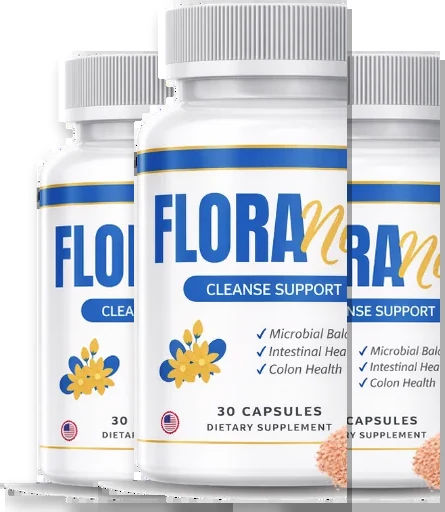
FloraNew pairs psyllium, oat bran, apple pectin and flaxseed in one vegetarian capsule — a simple way to support regularity, fullness and a less bloated waistline, backed by a 60-day guarantee. It is not a weight-loss drug.
Order Now