Slow Digestion in Women: Causes and Real Fixes
Why is digestion often slower in women?
Digestion runs slower when food takes longer to pass through the gut. In women this is shaped by cyclical hormones — progesterone relaxes gut muscle and slows transit — layered on top of common drivers like low fibre, low fluid, and too little movement. The good news: transit is highly responsive to daily habits.
- Progesterone and estrogen shifts slow motility, so bloat and sluggishness often spike premenstrually.
- Fibre plus water adds bulk and moisture that keep stool moving.
- Walking and exercise physically stimulate the gut to contract.
If your stomach feels heavy hours after eating, if you go days between bowel movements, or if bloating creeps in like clockwork before your period, you are describing slow digestion — and you are far from alone. Surveys consistently find that constipation and sluggish transit are reported by women roughly two to three times more often than men. That gap is not imagined. It reflects real differences in anatomy, hormones and, often, diet. This article walks through what actually drives slow digestion in women and what genuinely helps, with the limitations stated plainly.
What "slow digestion" really means
The phrase is loose, but the biology is specific. Food is moved through the gut by peristalsis — coordinated waves of muscle contraction. How long the whole journey takes is called transit time, and in healthy adults it ranges widely, from around a day to several days. When transit slows, the colon has more time to draw water out of the stool, so it becomes firmer, drier and harder to pass. That single mechanism explains most of what people call slow digestion: the heaviness, the infrequency, the straining and the trapped-gas bloating that comes with it.
So the practical question is not "how do I detox?" — the gut is not clogged with residue — but "what is slowing my transit, and which levers can I pull?" There are four big ones, and hormones sit at the centre of the female picture.
Cause 1: Hormones slow the muscle
Progesterone is a smooth-muscle relaxant. That is useful in pregnancy, where it keeps the uterus calm, but the gut is made of the same smooth muscle, so it relaxes too. When progesterone is high — in the luteal phase (the roughly two weeks before a period) and throughout pregnancy — peristalsis becomes less vigorous and transit lengthens. This is the main reason so many women notice constipation and bloating ramp up in the days before menstruation, then ease once the period starts and progesterone falls.
Estrogen plays a supporting role. Its cyclical rise and fall influences fluid retention and, through the gut-brain axis, sensitivity to bloating and discomfort. The upshot is a predictable rhythm: for many women, digestion is at its slowest and most tender in the late luteal phase. Recognising that pattern is genuinely useful, because it tells you the sluggishness is cyclical and physiological, not a sign that something has gone wrong. We cover this cycle in depth in a dedicated piece linked below.

Cause 2: Not enough fibre
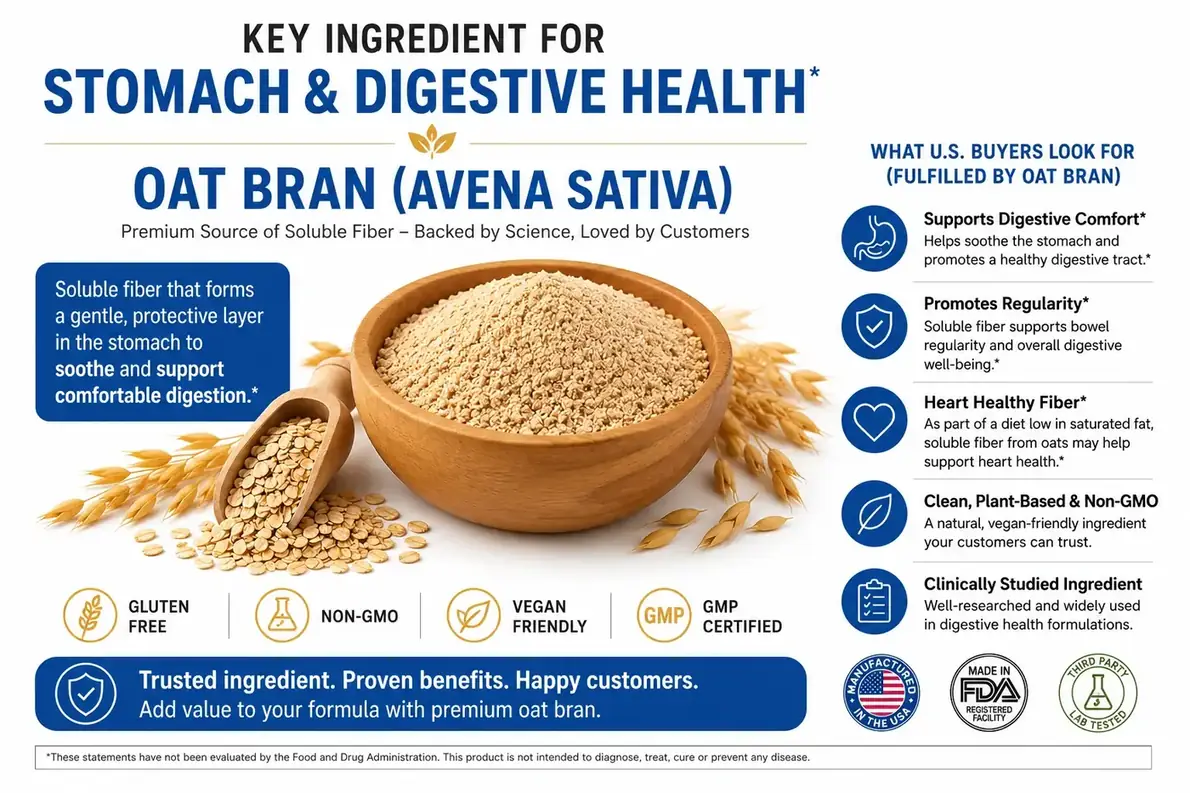
Fibre is the raw material that gives stool bulk and softness. Most adults fall well short of the recommended 25 to 30 grams a day, and women who are busy, dieting or eating on the go often land closer to half that. Two kinds matter. Soluble fibre (oats, apples, beans, psyllium, flaxseed) absorbs water and forms a gel that softens stool and feeds beneficial bacteria. Insoluble fibre (whole grains, vegetable skins, nuts) adds bulk that mechanically stimulates the colon to move. You need both, and you get both from a varied plant-forward plate.
The key nuance, which supplement labels rarely print, is dose. The regularity benefits shown in research come from gram-level intakes over consistent days, not a single small capsule. A fibre supplement is best understood as a top-up on a fibre-rich diet, not a substitute for one. If your baseline diet is low in plants, adding beans, oats, fruit and vegetables will move the needle far more than any pill.
Cause 3: Too little water
Fibre and water are a team. Soluble fibre only softens stool if there is enough fluid for it to absorb; add fibre without water and you can actually make things firmer and gassier, not looser. This is the single most common mistake people make when they start eating more fibre or take a fibre supplement. There is no magic number of glasses, but pale-yellow urine is a reasonable everyday signal that you are drinking enough. When transit feels slow, hydration is the cheapest and fastest lever to check first.
Cause 4: Sitting still
Movement is a mechanical stimulant for the gut. Physical activity increases the strength and frequency of colonic contractions, which is why a morning walk so reliably gets things moving and why bed rest so reliably causes constipation. You do not need to train hard: regular walking, light activity after meals and simply breaking up long stretches of sitting all help transit. For women whose days are desk-bound, this is often the highest-yield change of all.
The honest fixes, in order of impact
| Fix | Why it works | Realistic timeline |
|---|---|---|
| Add water | Lets fibre soften stool instead of hardening it | Days |
| Build fibre gradually | Adds bulk and moisture; feeds gut bacteria | 1–2 weeks |
| Walk / move daily | Mechanically stimulates colonic contractions | Days to a week |
| Regular meal timing | Trains the natural post-meal gut reflex | 1–2 weeks |
| Work with your cycle | Pre-empts predictable luteal-phase slowdown | 1 cycle |
Notice the order. Hydration and movement are near-instant and free, so start there. Fibre is the biggest structural lever but needs a week or two and needs water alongside it. Cycle-awareness is about anticipating the slow days rather than being ambushed by them — nudging fibre, fluid and walking upward in the luteal phase rather than waiting for the bloat to arrive.
A sensible word on fibre supplements
A daily fibre capsule can be a convenient way to close a small gap when meals are unpredictable — and it is a far gentler choice than a stimulant "detox" tea that lashes the bowel into a cramp and offers nothing lasting. But keep expectations honest. A capsule delivers a fraction of the fibre used in the studies behind those regularity claims, so it works best as a supplement to food, taken with a full glass of water, given a couple of weeks to show anything, and spaced away from medications, which fibre can slow the absorption of. If you want to try one, FloraNew combines psyllium, oat bran, apple pectin and flaxseed in a single daily vegetarian capsule, with the official-store pricing here.
When to get it checked
Most slow digestion is diet, fluid, movement and hormones — and responds to them. But some patterns deserve a professional rather than a self-experiment. Book an appointment for a sudden and lasting change in bowel habits, unexplained weight loss, blood in the stool, persistent or severe abdominal pain, vomiting, or symptoms that simply do not shift with the basics above. Slow digestion is common and usually benign; the point of knowing the red flags is so you can act on the rare cases that are not.
Frequently asked questions
Why is my digestion so slow?
Slow digestion usually reflects how quickly food moves through the gut, which is shaped by fibre intake, hydration, physical activity, stress and hormones. Low fibre and low fluid produce firmer, slower-moving stool, while long sitting and irregular meals reduce the gut's natural muscular waves. It is common and often diet- and lifestyle-related rather than a single fault.
Do hormones slow digestion in women?
Yes. Progesterone relaxes smooth muscle, including the muscle that propels the gut, so transit tends to slow when progesterone is high, such as in the second half of the menstrual cycle and during pregnancy. Estrogen shifts affect fluid balance too. This is a normal reason many women notice more sluggishness and bloating before a period.
How can I speed up gut transit?
Build fibre up gradually from vegetables, fruit, oats, beans and seeds; drink enough water so the fibre can work; and move your body daily, since walking and exercise stimulate the gut. Regular meal timing and managing stress help too. Give changes one to two weeks, because transit responds over days, not minutes.
Is slow digestion a sign of a problem?
Occasional sluggishness is usually harmless and diet-related. See a healthcare professional if you have a sudden lasting change in bowel habits, unexplained weight loss, blood in the stool, severe or persistent pain, vomiting, or symptoms that do not improve with diet and hydration. These warrant proper assessment rather than self-management.

Want a gentle daily fibre top-up?
FloraNew pairs psyllium, oat bran, apple pectin and flaxseed in one vegetarian capsule — a simple way to support a fibre-rich diet, backed by a 60-day guarantee.
Order Now